Archives
- 2025-12
- 2025-11
- 2025-10
- 2025-09
- 2025-03
- 2025-02
- 2025-01
- 2024-12
- 2024-11
- 2024-10
- 2024-09
- 2024-08
- 2024-07
- 2024-06
- 2024-05
- 2024-04
- 2024-03
- 2024-02
- 2024-01
- 2023-12
- 2023-11
- 2023-10
- 2023-09
- 2023-08
- 2023-06
- 2023-05
- 2023-04
- 2023-03
- 2023-02
- 2023-01
- 2022-12
- 2022-11
- 2022-10
- 2022-09
- 2022-08
- 2022-07
- 2022-06
- 2022-05
- 2022-04
- 2022-03
- 2022-02
- 2022-01
- 2021-12
- 2021-11
- 2021-10
- 2021-09
- 2021-08
- 2021-07
- 2021-06
- 2021-05
- 2021-04
- 2021-03
- 2021-02
- 2021-01
- 2020-12
- 2020-11
- 2020-10
- 2020-09
- 2020-08
- 2020-07
- 2020-06
- 2020-05
- 2020-04
- 2020-03
- 2020-02
- 2020-01
- 2019-12
- 2019-11
- 2019-10
- 2019-09
- 2019-08
- 2019-07
- 2019-06
- 2019-05
- 2019-04
- 2018-07
-
In the present study we combined activity based protein prof
2020-09-22
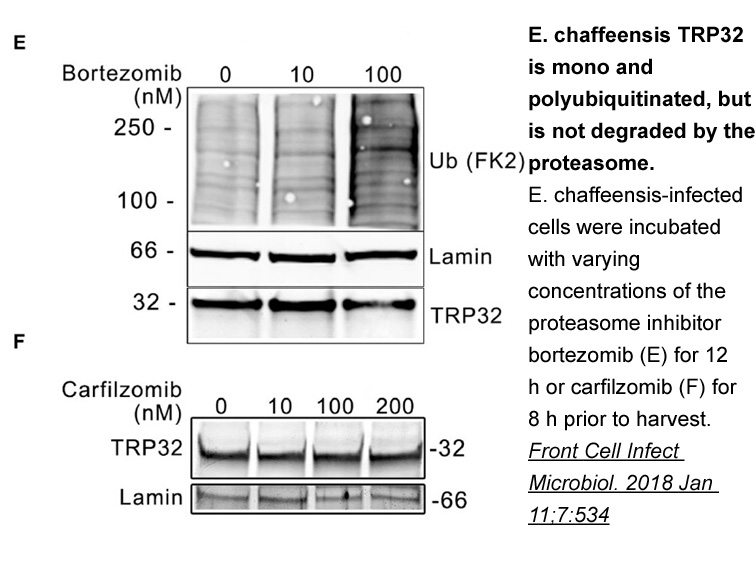
In the present study, we combined activity-based protein profiling, biochemical and genetic approaches to identify the PLCPs involved in the sphingolipid pathway leading to plant PCD. By using Arabidopsis caffeic acid phenethyl ester receptor and leaves, we demonstrate that this sub-class of plant
-
Previous studies reported that combined administration of li
2020-09-22
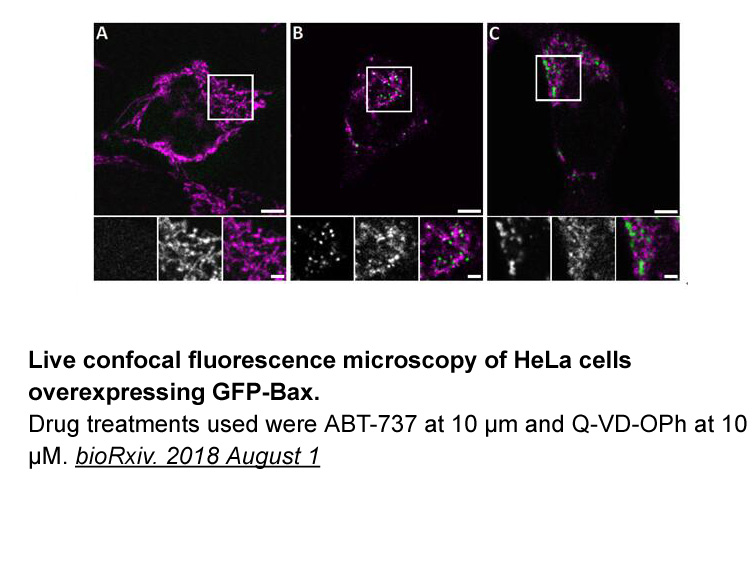
Previous studies reported that combined administration of licorice/GL and TWHF/TP showed reduced toxicity and equal or even potentiated therapeutic efficacy when treating arthritis (YS et al., 2006, YS et al., 2008, Zhang et al., 2007). Our findings that GL reduced exposure to TP in rats confirmed t
-
Another important mediator in fear learning is the neuropept
2020-09-22
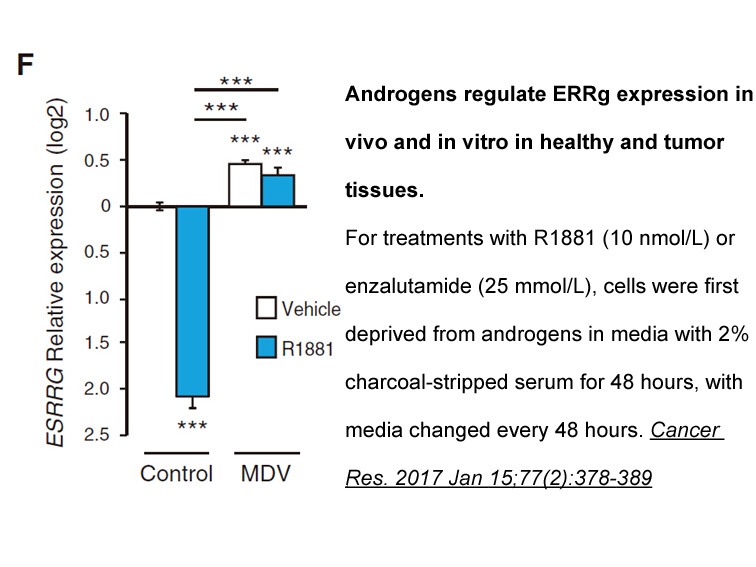
Another important mediator in fear learning is the neuropeptide corticotropin-releasing factor (CRF). For example, local repeated administration of CRF into the basolateral amygdala potentiates the acquisition of cue-conditioned fear (Bijlsma et al., 2011) and CRF1 receptor antagonists effectively b
-
This article is based on previous research work in
2020-09-22
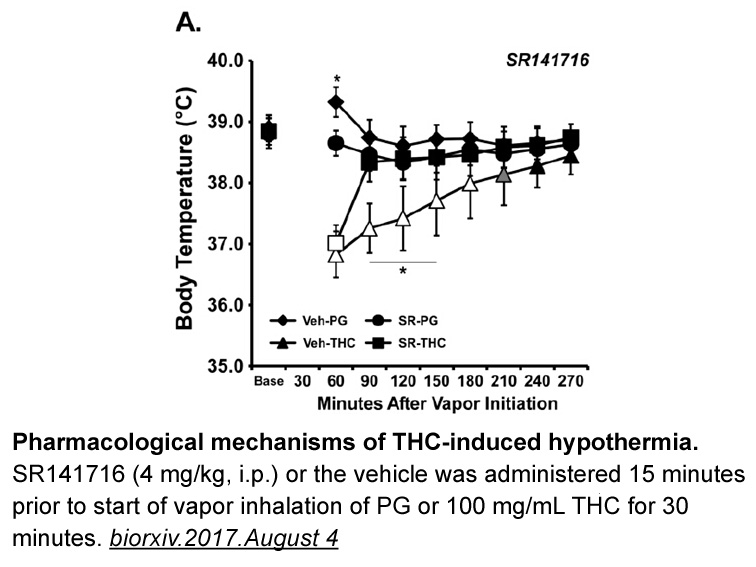
This article is based on previous research work [43] in the field of distributed development of information systems [34]. In that work, the system infrastructure focusing on the three-level data model used in the different layers of our architecture is described. The work presented in this manuscrip
-
br Multi hierarchical structure of collagen
2020-09-22
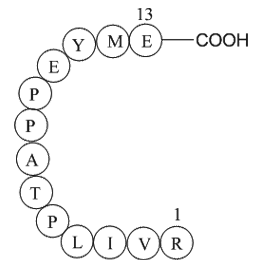
Multi-hierarchical structure of collagen Protein structure is the foundation of protein functions and properties. It is generally accepted that the protein has biological function only when it has tertiary structure or above. Among the identified 28 types of collagen, most is known about type I
-
The immune control of CMV
2020-09-22

The immune control of CMV replication in vivo is primarily driven by the T-cell-mediated response, a characteristic that has been proposed as a tool to individualize and therefore to optimize antiviral treatment [6], [7], and it has been associated with spontaneous clearance of CMV viraemia in patie
-
Although intact Chk is distributed throughout the nucleus an
2020-09-22
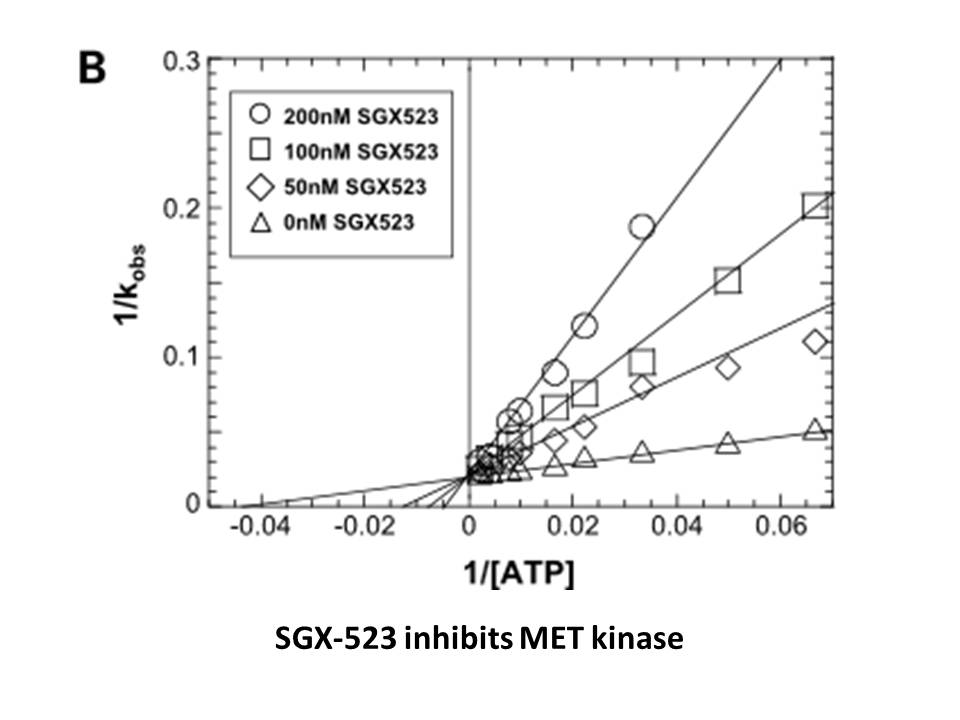
Although intact Chk is distributed throughout the nucleus and the cytoplasm (Fig. 1), the deletion of the SH2 domain greatly augments nuclear localization of Chk. The SH2 domain-deleted mutants might lose the ability to localize to the exterior of the nucleus due to a lack of the binding to a hypoth
-
Epitope analyses of AT AA and ET AA indicate that
2020-09-22
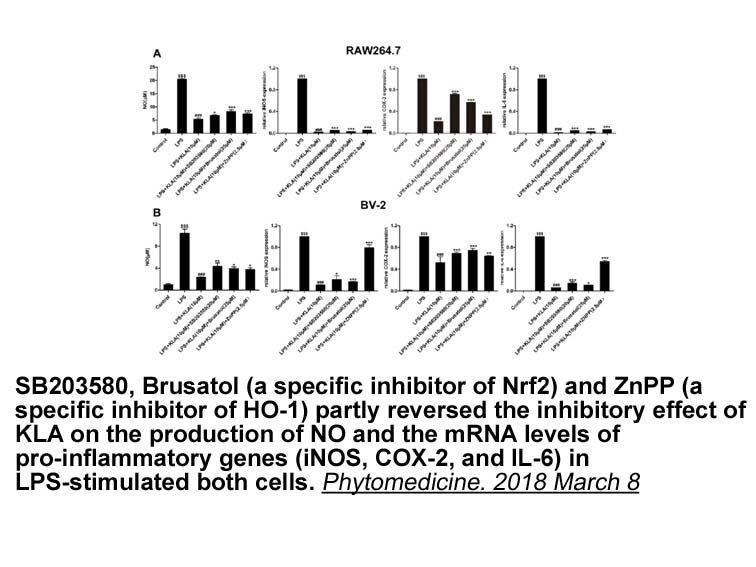
Epitope analyses of AT1-AA and ET-AA indicate that the GSK1324726A sale of both autoantibodies are located at the second extracelluar loop of both receptors. The specific epitopes for both autoantibodies are similar to what was reported previously in a cohort of patients from Brazil [6] and for AT1
-
We experienced difficulties in observing
2020-09-22
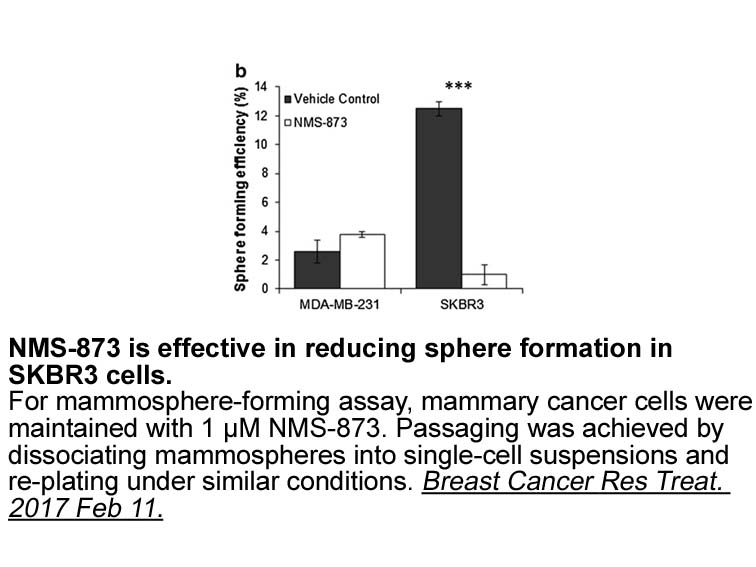
We experienced difficulties in observing maturation of hESC retinas in rd1 mice even with immunosuppression, but with NOG-rd1-2J mice the transplanted hESC retinas consistently developed mature ONL with rod and cone opsins. Furthermore, graft photoreceptors show signs of developing IS/OS structures
-
To understand the behavior of enzymes
2020-09-21
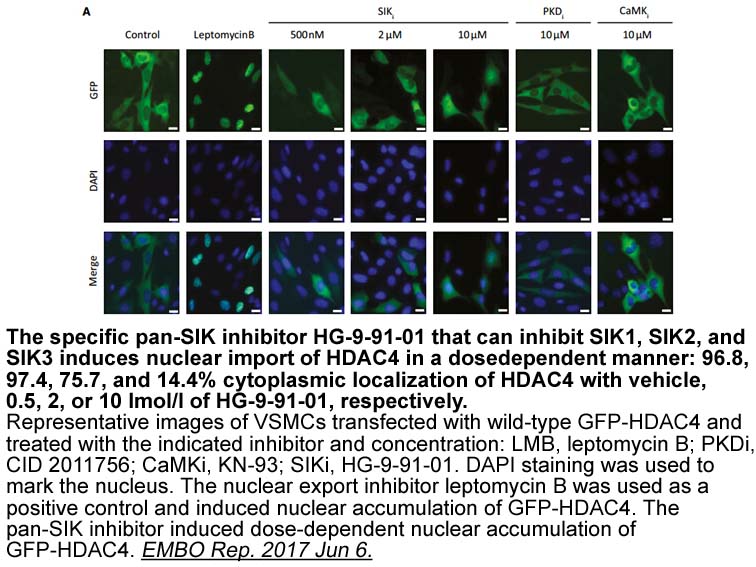
To understand the behavior of enzymes in ILs at a molecular level, it is first desirable to dissolve enzymes in the solvents. For soluble catalysts, there are many relatively simple spectroscopic and other techniques for obtaining accurate information at a molecular level. Parker et al. [9] reported
-
In regards to regional variation in metabolic behavior of ad
2020-09-21
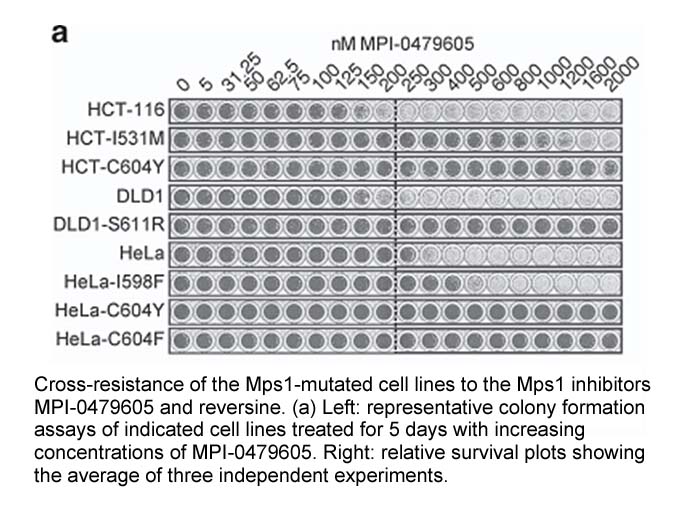
In regards to regional variation in metabolic behavior of adipose tissue, subcutaneous adipose tissue transplantation has been shown to reprogram visceral adipose tissue to have subcutaneous-like phenotypic behavior, whereas visceral-to-subcutaneous transplantation does not promote a more detrimenta
-
Haj Yahya et al applied
2020-09-21
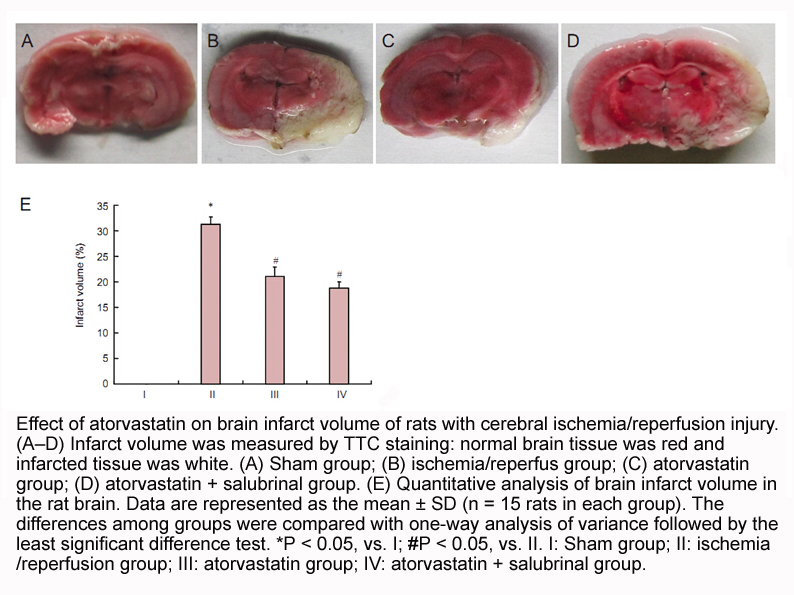
Haj-Yahya et al. [52] applied native chemical ligation for the construction of diubiquitin probes. They attached a cysteine residue to the lysine side chain of the proximal ubiquitin and ligated the distal module using the C-terminal thioester of ubiquitin. Elimination of the sulfur Clofazimine res
-
Oxidation of N hydroxyguanidine by DbH was studied by HPLC
2020-09-21
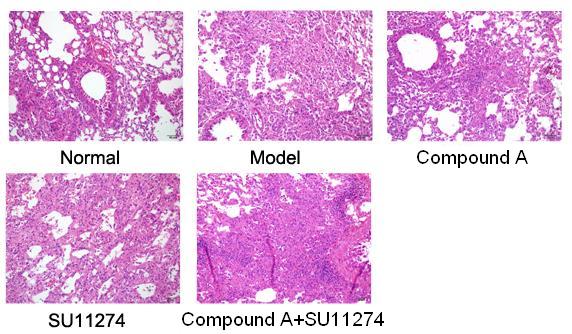
Oxidation of N-hydroxyguanidine 1 by DbH was studied by HPLC and some oxidation products for 1 could be characterized. The compounds generally observed with iron-containing systems are 4-methoxyphenylurea 11 and 4-methoxyphenylcyanamide 12 (Fig. 2). Oxidation of N-(4-chlorophenyl)-N′-hydroxyguanidin
-
DNA bound Ku proteins recruit
2020-09-21
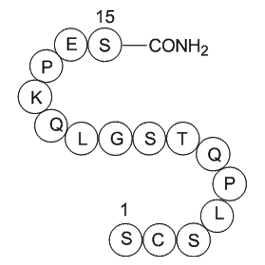
DNA-bound Ku proteins recruit DNA-PKcs; and thereby translocate into the duplex by one helical turn, leaving DNA-PKcs near the DNA terminus to assist in tethering the broken ends together [25]. In addition to keeping the DSBs in close proximity, DNA-PKcs may prevent exonucleolytic degradation of the
-
br Conclusion br Competing interests br Authors contribution
2020-09-21
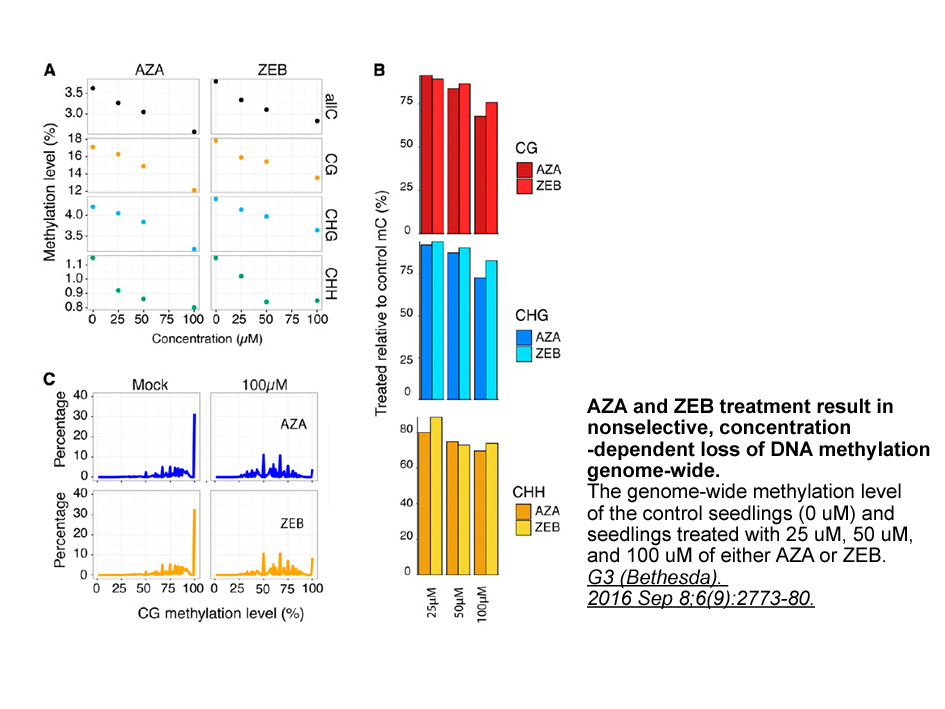
Conclusion Competing interests Authors\' contributions Acknowledgements The work was supported by Aurigene Discovery Technologies (M) Sdn. Bhd., Industrial Doctoral Program sponsorship by Ministry of Higher Education, Malaysia and research grants by the University of Malaya, grant number
15184 records 750/1013 page Previous Next First page 上5页 746747748749750 下5页 Last page